As a perfect fusion of athleticism, strategy, and companionship, racket sports have always maintained a particular place in fans’ hearts. Two sports stand out prominently among the many possibilities available: Tennis and pickleball. Both have unique qualities that distinguish them despite having certain things in common. The subtle differences between pickleball and Tennis gameplay, equipment, and court configurations will all be covered in this in-depth study.
Pickleball vs Tennis Equipment
When it comes to racket sports, the gear you select makes a difference. Every element affects gameplay, from the size and weight of the paddle or racket to the kind of ball utilized. Let’s examine the main equipment distinctions between pickleball and Tennis.
Rackets and Paddles
The equipment used in pickleball and Tennis, namely the rackets and paddles, is where the most obvious differences may be seen. Traditionally constructed of aluminum or graphite, tennis rackets are engineered for optimum power and control. The string tension is key to the racket’s feel and response.
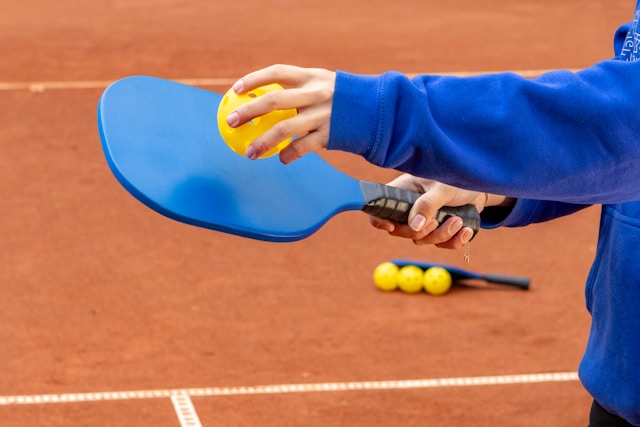
On the other hand, pickleball paddles have an appearance similar to that of large table tennis paddles. They are made of various materials, such as graphite, composite, and wood. Unlike tennis rackets, pickleball paddles are made without strings, giving players a firm surface to strike the ball. The lack of strings makes A more consistent performance possible, removing the need for periodic restringing.
Balls
The balls that are used in each sport represent yet another noteworthy distinction. Consistent bounce and speed are made possible by the felt covering and pressure applied to tennis balls. Extended rallies and intensive gameplay are made possible by their longevity. On the other hand, pickleballs are composed of plastic and feature holes that are put precisely. Because they move more slowly, these lighter, perforated balls are ideal for the little pickleball court.
The differences in ball properties significantly affect how quickly and how each sport is played. Pickleball places more emphasis on agility and elegance than Tennis does on power and accuracy.
Court Variations
The size of the courts used for pickleball and Tennis is one of the most obvious differences between them. Regarding singles matches, tennis courts are 78 feet long and 36 feet wide. On the other hand, pickleball courts are substantially smaller; doubles matches are only 20 feet wide by 44 feet long.
Pickleball courts are small, so players must respond quickly and have quick feet, which makes for exciting, fast-paced play. On the other hand, tennis courts’ roomy design facilitates lengthier rallies and cunning movement.
Another way that the two sports differ is in net height. In Tennis, the net is three feet tall in the middle and rises to three and a half feet at the posts. This height disparity makes it difficult for players to clear the net with their shots.
The net used in pickleball is smaller, measuring only 36 inches in the middle and 34 inches on either side. Because of the lower net height, players are encouraged to play more aggressively close to the net and to use drop shots and volleys to their advantage.
Gameplay Nuances
Regarding Pickleball vs. Tennis, minute distinctions in gameplay characteristics characterize the core of each sport. These subtleties, which range from scoring schemes to serving tactics, influence the flow and tactics of games. Let’s explore the intriguing realm of subtle game mechanics and discover the differences between pickleball and Tennis.
Serving
Serving techniques in Tennis and pickleball differ greatly. Tennis players serve from behind the baseline and cross the net diagonally to place the ball within their opponent’s serving box. The serve can control the game’s tempo and is crucial in establishing the mood for each point.
In pickleball, players must serve underhandedly and diagonally across the court to land the ball inside the other player’s service court. With increased control and accuracy made possible by the underhand serve technique, players may execute smart placements and exploit their opponent’s deficiencies.
Scoring System
There are also notable differences between the tennis and pickleball scoring systems. Tennis is scored using a conventional method in which players receive points in increments of 15, 30, 40, and then game points. To win the game, both players must win by a margin of two consecutive points once they reach 40 (deuce).
In pickleball, points can be won regardless of who serves, thanks to the rally scoring system. Games frequently go to eleven points and require a two-point triumph. This scoring system guarantees competitive, quick-paced matches and maintains player interest throughout.
Fitness Benefits
Tennis and pickleball are excellent cardiovascular exercises that enhance agility, quickness, and coordination. Tennis players run back and forth on the court to vary their trajectory, twist, and return shots. This vigorous workout improves cardiovascular health and tones the calves, hamstrings, and quads. Racket swing repetitions develop muscular endurance and tone by strengthening the shoulders, arms, and core.
Despite its smaller court and slower ball velocity, pickleball is still a good workout. Although rallies are shorter than in Tennis, pickleball requires quick reflexes, agility, and precise footwork. Balance and coordination increase when players move around the court to anticipate shots and position themselves optimally. Additionally, the rapid direction changes and intense leg movements needed to reach the ball build lower body strength and endurance. Both pickleball and Tennis are fun ways to stay active and get full-body exercise.
Pickleball and Tennis provide mental stimulation, stress alleviation, and physical benefits. Both sports demand focus, concentration, and strategic thinking to outwit opponents and execute well-planned shots. This mental involvement improves cognitive skills, awareness, and relaxation as players play the game. Playing either sport, whether in a friendly match or a tournament, develops camaraderie and community, which can improve mental health. Pickleball and Tennis are fun and effective ways to improve physical and mental health.
Bottom Line
Fans may enjoy new experiences and challenges from the ongoing pickleball vs. tennis debate. Tennis’s strategic depth and pickleball’s quick exchanges make for engaging games for all players. All ages and ability levels can play pickleball because of its smaller court and slower pace, which fosters a friendly environment. Tennis is a more strenuous sport that tests endurance and skill because of its larger court and faster games. Whatever your inclination, nothing compares to the thrill of competing, progressing as you play every game, and enjoying yourself while playing. Upgrade your Pickleball game with My Pickleball Haven paddle reviews. From beginners to pros, their carefully selected paddle reviews meet all your demands. My Pickleball Haven provides detailed reviews and advice to help you improve your game. So, before your next match, visit My Pickleball Haven to choose the paddle that will elevate your game.
 Site Title
Leave a comment